
Emergency Vet in Traverse City, MI — Here When You Need Us Most
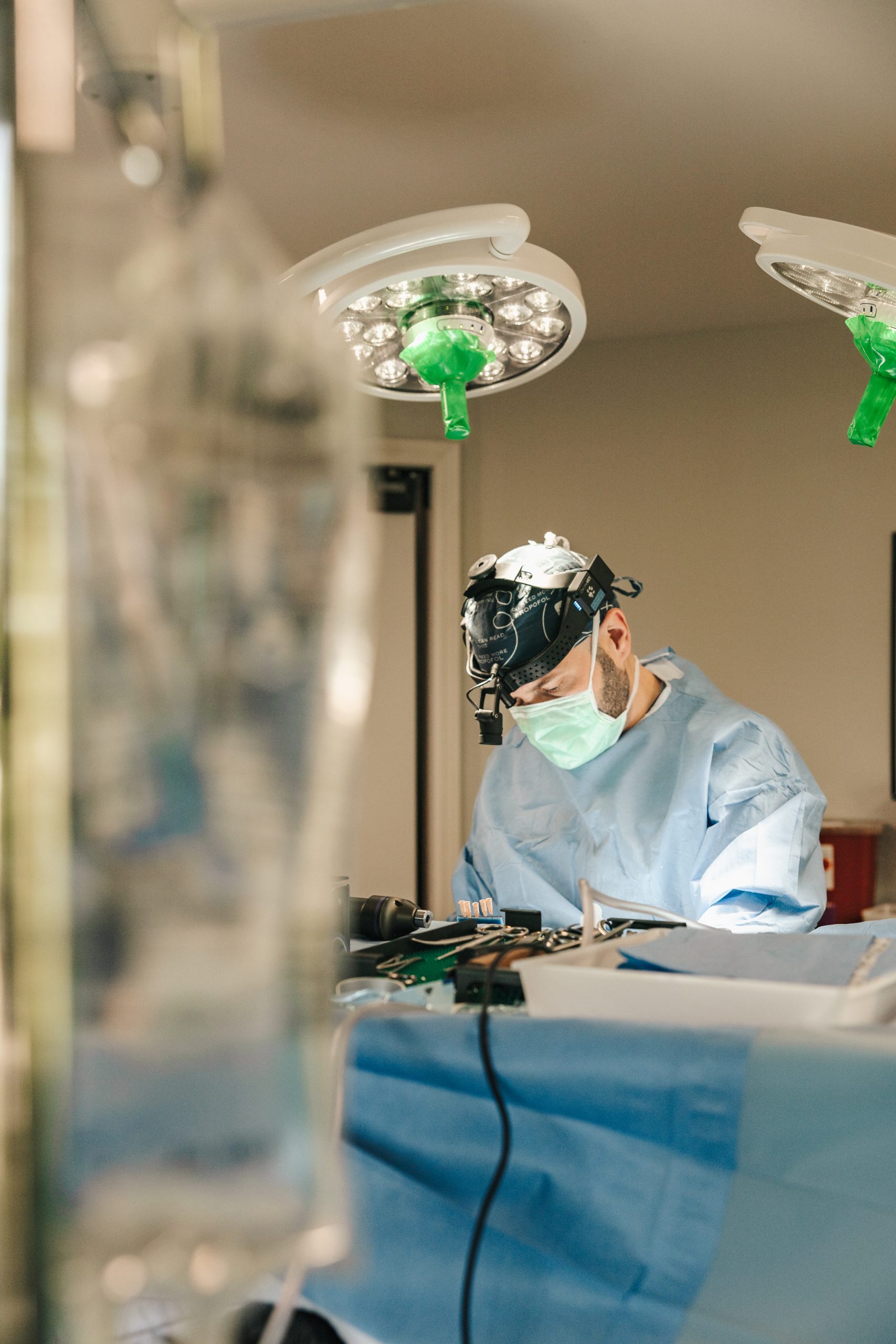
Pet emergencies are frightening, and they rarely happen at a convenient time. At Omnivet in Traverse City, MI, our experienced team responds quickly, calmly, and compassionately the moment you arrive. From trauma stabilization and emergency stabilization to emergency surgery, we have the skills and equipment to handle a wide range of urgent situations so you never face them alone.
What to Do in a Pet Emergency
The most important thing you can do is call us first. Please call Omnivet at (231) 244-4860 on your way whenever possible. A quick call lets our team prepare for your arrival, gather the right equipment and staff, and begin care the moment you walk through the door, minimizing delays when every second counts. If your pet is not breathing, is bleeding heavily, or has collapsed, come in immediately.
While you travel, keep your pet as calm and still as possible. Use a towel or blanket to carry cats and small dogs, and support larger dogs with a board or blanket stretcher if they cannot walk. Apply gentle pressure to bleeding wounds with a clean cloth, and never give human medications unless a veterinarian instructs you to.
Signs Your Pet Needs Emergency Care
- Difficulty breathing, choking, or blue or pale gums
- Collapse, sudden weakness, or loss of consciousness
- Seizures, especially lasting more than a few minutes or occurring in clusters
- Suspected toxin ingestion such as antifreeze, rodent bait, chocolate, xylitol, or medications
- Straining without producing urine, a sign of a possible urinary obstruction
- Severe or repeated vomiting or diarrhea, especially with blood
- A swollen, hard abdomen or unproductive retching, which can signal bloat
- Serious wounds or injuries, including being hit by a car or attacked by another animal
- Eye injuries or sudden changes in vision
- Difficult labor that may require a cesarean section
What Happens When You Arrive
Our team triages every patient on arrival, so pets with life-threatening conditions are seen first. Your pet may receive oxygen, IV fluids, pain relief, or other stabilizing treatment right away. Once your pet is stable, our veterinarians use in-house bloodwork and digital X-rays to identify the cause and recommend a treatment plan. We explain what we find, your options, and estimated costs before moving forward, so you can make informed decisions.
Emergency Care vs. Urgent Care
Not every concern is an emergency. Situations that need prompt attention but are not immediately life-threatening, such as limping, minor cuts, mild allergic reactions, or ear infections, may be a better fit for our urgent care appointments or walk-in appointments. If you are not sure, call us and our team will help you assess the situation over the phone.
Hours and After-Hours Emergencies
Omnivet is open Monday through Friday from 9am to 7pm and Saturday from 10am to 6pm. If your pet has an emergency when we are closed, please contact an after-hours emergency veterinary center in the region. We are happy to provide follow-up care, rechecks, and ongoing treatment once your pet has been stabilized.
Frequently Asked Questions About Pet Emergency Care
What counts as a pet emergency?
A pet emergency is any situation where your pet’s health or life may be at immediate risk, including difficulty breathing, suspected poisoning, severe bleeding, collapse, inability to urinate, seizures, suspected broken bones, and signs of extreme pain. If you are unsure, call (231) 244-4860.
Should I call ahead before bringing my pet in?
Yes, whenever possible. Calling ahead allows our team to prepare the right staff and equipment so care begins as soon as you arrive. In a life-threatening emergency, come in immediately.
What should I do if my pet has an emergency and you are closed?
Contact an after-hours emergency veterinary center in the region. Once your pet is stable, call Omnivet during business hours for follow-up care.
How do I know if my pet needs emergency surgery?
Conditions like intestinal obstructions, internal bleeding, urinary blockages, bloat, and some traumatic injuries may require emergency surgery. Our team will assess your pet and explain the recommended procedure before proceeding.
What information should I have ready when I call?
Have your pet’s species, breed, age, and approximate weight ready, along with a description of the symptoms, when they started, and anything your pet may have eaten.
Will I know the cost of emergency treatment?
Yes. After stabilizing your pet, we discuss diagnostics, treatment options, and estimated costs so you can make informed decisions.
Can I stay with my pet during emergency treatment?
During critical stabilization, our team may need to work in the treatment area. We will keep you updated and reunite you with your pet as soon as it is safe to do so.