
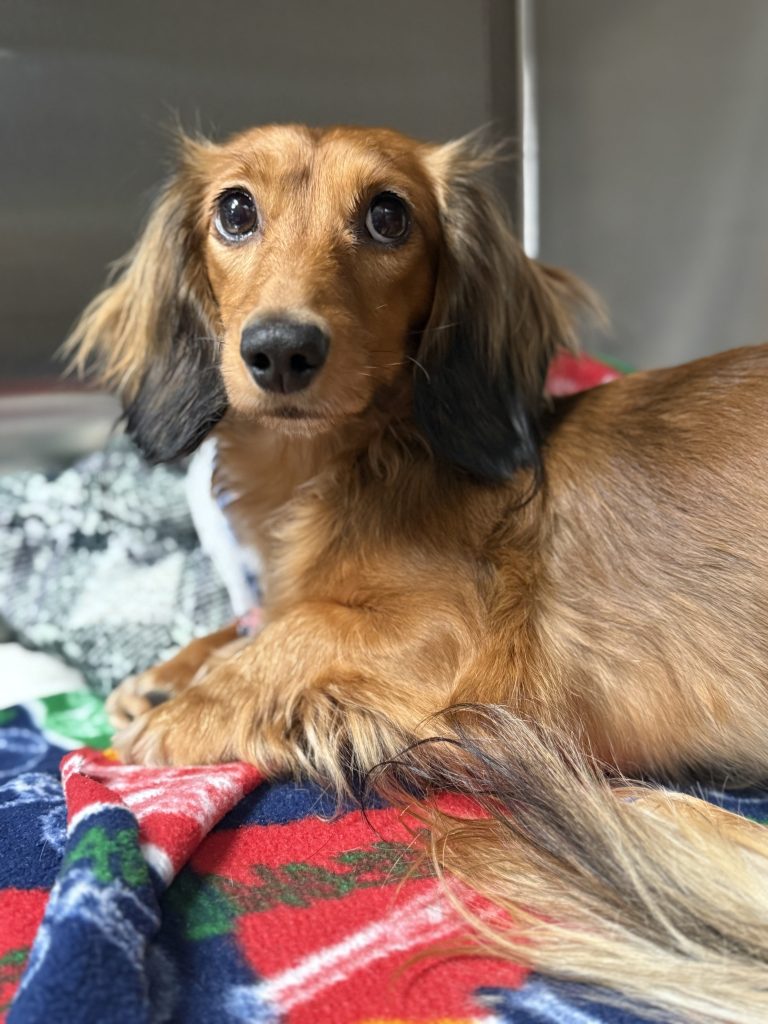
Pet Not Eating? We Can Help at Omnivet in Traverse City, MI
Noticing your furry friend refusing food can be alarming — and it should never be ignored for long. At Omnivet in Traverse City, MI, we’re here to help you understand what may be causing your pet’s loss of appetite and work with you to support their recovery as quickly as possible.
What to Expect When Treating Loss of Appetite in Pets
A pet that refuses to eat is always a concern, because appetite is one of the most reliable indicators of overall health. Even a brief period of not eating can lead to serious complications in some animals — particularly cats, who are at risk of hepatic lipidosis (fatty liver disease) when they go without food for extended periods. Early intervention is always the right call.
Appetite changes in pets can stem from a wide range of causes. Common culprits include underlying illness or infection, pain, dental disease, nausea, gastrointestinal issues, stress or anxiety, medication side effects, or significant changes in the home environment. In some cases, pets may also develop a food aversion — particularly after being ill — or simply become bored with the same diet over time. Because the causes vary so widely, a thorough evaluation is essential to get to the root of the problem rather than guessing.
When you bring your pet to Omnivet, our team takes time to carefully assess their overall health, behavior, and recent history. We conduct a comprehensive physical examination and may recommend bloodwork, urinalysis, X-rays, or a full medical workup to identify any underlying conditions contributing to the appetite change. We’ll also discuss recent changes in your pet’s environment, routine, or diet that may be playing a role.
Once we have a clear picture of what’s going on, we develop a personalized treatment plan that may include dietary adjustments, appetite stimulants, anti-nausea medications, treatment of the underlying condition, or other targeted therapies. If your pet has also been experiencing vomiting or diarrhea, increased thirst or urination, or lethargy or weakness, be sure to mention these symptoms — they can provide important clues. If your pet has refused food for more than 24 hours, call Omnivet at (231) 244-4860 or visit our urgent care or walk-in appointments page to be seen promptly.
Frequently Asked Questions About Loss of Appetite in Pets
What are common reasons my pet might lose their appetite?
Pets may stop eating for many reasons, including illness or infection, pain, dental disease, nausea, gastrointestinal issues, stress or anxiety, medication side effects, or changes in their environment or routine. In some cases, a pet may have developed a food aversion or simply become bored with the same food over time. Because so many different factors can be involved, a veterinary evaluation at Omnivet is the best way to identify the cause and determine the most effective course of action.
How long should I wait before seeking veterinary care for a pet that won’t eat?
If your pet refuses food for more than 24 hours — or sooner if they are also showing other symptoms such as vomiting or diarrhea, lethargy, weight loss, or abdominal pain — contact Omnivet promptly at (231) 244-4860. For cats in particular, going without food for even 24 to 48 hours can increase the risk of serious liver complications, so earlier intervention is always better. Don’t wait to see if things improve on their own when your pet’s health may be at stake.
Can stress cause a loss of appetite in pets?
Yes — stress and anxiety are common but often overlooked causes of appetite loss in pets. New environments, changes in household routine, the addition of a new pet or family member, loud noises, or separation anxiety can all affect a pet’s willingness to eat. Identifying and minimizing stressors is an important part of the treatment process at Omnivet, and our team can offer guidance on environmental modifications and anxiety management strategies alongside any medical treatment that may be needed.
Are there special diets that can help stimulate a pet’s appetite?
Yes — in many cases, highly palatable or prescription diets can help encourage eating, particularly during recovery from illness or surgery. Warming food slightly to enhance its aroma, adding low-sodium broth, or transitioning to a wet or fresh food diet can also make meals more appealing to a reluctant eater. Our team at Omnivet will recommend the most appropriate dietary options based on your pet’s specific condition, age, and nutritional needs.
What can I do at home to encourage my pet to eat?
While waiting for your veterinary appointment, you can try offering smaller, more frequent meals, warming food slightly to increase its scent, offering a different texture or flavor, or hand-feeding if your pet is receptive. Make sure fresh water is always available, as dehydration can worsen appetite loss. However, these measures are supportive — not a substitute for veterinary care. If your pet’s appetite doesn’t improve within 24 hours or they show any additional symptoms, call Omnivet at (231) 244-4860.
Could dental problems be causing my pet’s loss of appetite?
Absolutely — dental pain is one of the most frequently overlooked causes of appetite loss in both dogs and cats. Broken teeth, gum disease, oral ulcers, or tooth root abscesses can make eating extremely uncomfortable, causing pets to avoid food even when they’re hungry. Signs that dental pain may be involved include dropping food while eating, chewing on one side of the mouth, pawing at the face, or bad breath. Our team at Omnivet will check your pet’s oral health as part of their overall examination.
Can loss of appetite be a sign of something serious?
Yes — while some causes of appetite loss are minor and resolve quickly, others can indicate serious underlying conditions such as kidney disease, liver disease, cancer, or hormonal disorders. This is why it’s so important not to dismiss a pet that stops eating, especially if the change is sudden or prolonged. Our team at Omnivet uses bloodwork, imaging, and other diagnostics to ensure nothing serious is being missed, giving you peace of mind and your pet the best possible care.