
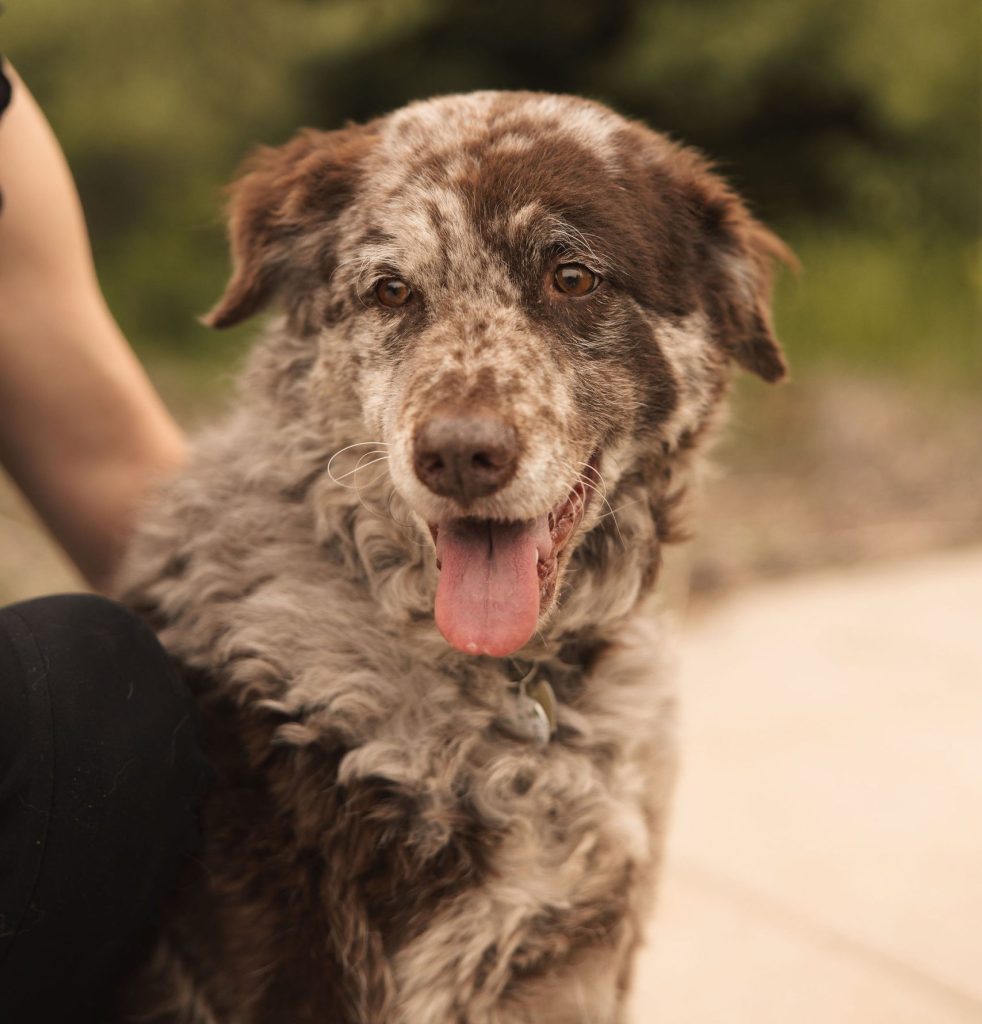
Prompt Care for Pet Vomiting & Diarrhea in Traverse City, MI
At Omnivet in Traverse City, MI, we understand how worrying it can be when your pet is vomiting or has diarrhea. These symptoms can range from a mild, self-limiting stomach upset to the first sign of something more serious — and knowing which you’re dealing with requires a proper veterinary evaluation. Our experienced team is here to get answers quickly and get your pet feeling better fast.
What to Expect When Treating Vomiting and Diarrhea at Omnivet
When your pet arrives at Omnivet with vomiting or diarrhea, our team takes a thorough and compassionate approach from the very first step. We begin by reviewing your pet’s complete health history and gathering a detailed account of their current symptoms — including when they started, how frequently they’re occurring, what the vomit or stool looks like, and whether there have been any recent dietary changes, potential toxin exposures, or stressful events. This context is essential for narrowing down the most likely cause.
Vomiting and diarrhea in pets can stem from many different causes. Common culprits include dietary indiscretion — eating something they shouldn’t have — sudden food changes, intestinal parasites, bacterial or viral infections, toxin ingestion, gastrointestinal infections, inflammatory bowel disease, pancreatitis, kidney or liver disease, or foreign body obstruction. Because so many conditions can present with these symptoms, targeted diagnostics are often needed to reach an accurate diagnosis.
Depending on your pet’s presentation, we may recommend a fecal exam for parasites, bloodwork to evaluate organ function and check for systemic illness, X-rays to rule out foreign body obstruction or other structural abnormalities, or a broader medical workup for complex or chronic cases. Treatment is fully tailored to the diagnosis and may include IV or subcutaneous fluid therapy for dehydration, anti-nausea medications, gastrointestinal protectants, dewormers, antibiotics, or dietary management with a bland or prescription diet.
We also provide clear guidance on monitoring your pet at home during recovery, including what signs would warrant a return visit. If your pet is also showing blood in their stool, loss of appetite, or significant lethargy or weakness, please mention these when you call — they help our team prioritize your pet’s care appropriately. Call Omnivet at (231) 244-4860 or visit our urgent care and walk-in appointments pages to be seen promptly.
Frequently Asked Questions About Vomiting and Diarrhea in Pets
What causes vomiting and diarrhea in pets?
Vomiting and diarrhea in pets can be caused by a wide range of conditions. Common causes include dietary indiscretion such as eating garbage, spoiled food, or foreign objects; sudden dietary changes; intestinal parasites; bacterial or viral infections; toxin ingestion; pancreatitis; inflammatory bowel disease; kidney or liver disease; and stress or environmental changes. In some cases, a foreign body obstruction may be responsible — particularly in younger or more curious dogs. Because the causes range from minor to serious, a veterinary evaluation at Omnivet is always the safest approach when symptoms persist.
When should I bring my pet to Omnivet for vomiting or diarrhea?
You should contact Omnivet at (231) 244-4860 promptly if your pet’s vomiting or diarrhea lasts more than 24 hours, is severe or frequent, contains blood, or is accompanied by lethargy, loss of appetite, abdominal pain, or signs of dehydration such as dry gums, sunken eyes, or skin that doesn’t spring back when pinched. Puppies, kittens, senior pets, and immunocompromised animals should be evaluated more quickly, as they can deteriorate faster. When in doubt, call us — it’s always better to check.
Can I give my pet over-the-counter medications for vomiting or diarrhea?
No — do not administer human over-the-counter medications to your pet without direct veterinary guidance. Many common human remedies including Pepto-Bismol, Imodium, and Pepcid can be harmful or even toxic to dogs and cats depending on the dose and the underlying condition. Even medications that are technically safe in some pets can mask symptoms and delay a diagnosis when used inappropriately. Always call Omnivet at (231) 244-4860 before giving your pet any medication.
How can I help my pet recover from vomiting or diarrhea at home?
For mild cases, temporarily withholding food for 12 to 24 hours — while keeping fresh water available — can give the gastrointestinal tract a chance to rest. After the fasting period, offering small, frequent meals of a bland diet such as boiled chicken and plain white rice can help ease the transition back to normal feeding. Keep your pet calm, monitor their symptoms closely, and follow any specific instructions provided by our team at Omnivet. If symptoms worsen or your pet is not improving within 24 hours, contact us promptly.
Is vomiting and diarrhea contagious to other pets in my household?
It can be, depending on the underlying cause. Certain viral infections — such as parvovirus in dogs or panleukopenia in cats — as well as bacterial infections and some intestinal parasites can spread between animals through direct contact, shared food and water bowls, or contaminated environments. If one of your pets is experiencing gastrointestinal symptoms, we recommend separating them from other household animals and practicing thorough hygiene — including washing your hands after handling the affected pet — until a diagnosis has been confirmed at Omnivet.
Could vomiting and diarrhea indicate a foreign body obstruction?
Yes — particularly in dogs, foreign body obstruction is a common and serious cause of vomiting and diarrhea. If your pet has swallowed a toy, bone, piece of clothing, or other non-food item, it may become lodged in the stomach or intestines, causing a partial or complete blockage. Signs that may suggest an obstruction include repeated vomiting, refusal to eat, abdominal pain or bloating, and straining to defecate. If a foreign body obstruction is suspected, X-rays or ultrasound at Omnivet can help confirm the diagnosis, and emergency surgery may be needed to remove the object.
When does vomiting or diarrhea become a veterinary emergency?
Vomiting or diarrhea becomes an emergency when it is accompanied by blood — either bright red or dark and tarry — signs of significant pain, collapse, pale gums, suspected toxin ingestion, rapid deterioration, or inability to keep any fluids down. Bloated or distended abdomen combined with unproductive retching is particularly dangerous and may indicate gastric dilatation-volvulus (GDV) — a life-threatening condition in large breed dogs. In any of these situations, call Omnivet immediately at (231) 244-4860 or visit our emergency care page.