
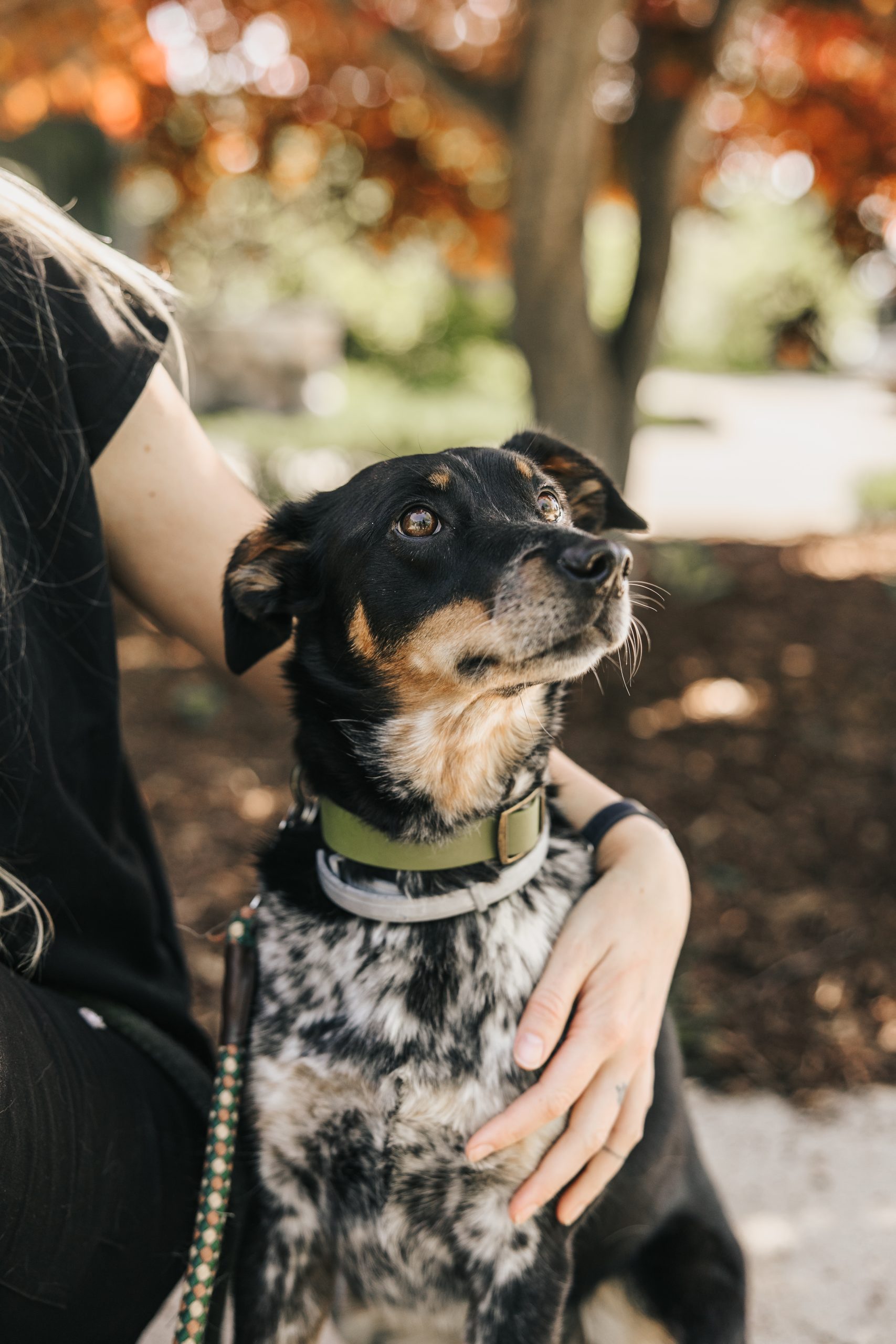
Pet Coughing? Get Answers Fast at Omnivet in Traverse City, MI
Noticing your furry friend coughing can be unsettling — and in some cases, it’s a sign that something needs prompt attention. At Omnivet in Traverse City, MI, we understand how important it is to identify the cause quickly and provide the right care. Whether it’s a mild, occasional tickle or a persistent, worsening cough, our experienced veterinary team is here to help your pet breathe easier and feel better.
What Causes Coughing in Pets?
Coughing in pets is a symptom, not a diagnosis — and the underlying causes can vary significantly. Common culprits include respiratory infections such as kennel cough (infectious tracheobronchitis), bacterial or viral pneumonia, and feline upper respiratory disease. Environmental allergens, smoke, dust, and household irritants can also trigger coughing, particularly in sensitive pets. In more serious cases, coughing may be linked to heart disease, collapsed trachea, lungworm, or the presence of a foreign object lodged in the airway.
The type of cough can offer important clues — a honking cough may suggest tracheal issues, while a wet or productive cough may indicate fluid in the lungs. A dry, hacking cough that appears after contact with other animals is often associated with kennel cough. Because so many conditions can present with coughing, a thorough veterinary evaluation is essential to reach an accurate diagnosis and avoid missing something serious.
Why Trust Omnivet for Your Pet’s Cough Care?
At Omnivet, we take a comprehensive approach to diagnosing and treating coughs in pets. Our team begins with a detailed physical examination, carefully listening to your pet’s heart and lungs and reviewing their full health history. From there, we may recommend diagnostic testing such as chest X-rays, bloodwork, or medical workups to pinpoint the root cause and rule out serious underlying conditions.
Once we have a clear picture of what’s going on, we develop a treatment plan tailored specifically to your pet’s needs and diagnosis. This may include antibiotics for bacterial infections, anti-inflammatory medications, cough suppressants, bronchodilators, or more targeted therapies depending on the findings. We also believe in clear, honest communication — you’ll always understand what we’re seeing, what we recommend, and why.
If your pet’s cough is accompanied by difficulty breathing, blue-tinged gums, extreme lethargy, or collapse, this may indicate a respiratory or cardiac emergency. Please contact Omnivet immediately at (231) 244-4860 or visit our emergency care page for more information. For non-emergency concerns, our urgent care appointments and walk-in appointments are available to get your pet seen quickly.
Frequently Asked Questions About Pet Coughing
What are common causes of coughing in pets?
Pets can cough for a wide variety of reasons, including respiratory infections such as kennel cough or pneumonia, environmental allergies, heart disease, collapsed trachea, lungworm, or even a foreign object lodged in the airway. In cats, feline asthma is another common cause of chronic coughing. Because the causes range from minor to serious, it’s important not to ignore a persistent cough — early diagnosis at Omnivet can make a significant difference in your pet’s outcome and comfort.
When should I bring my pet to the veterinarian for a cough?
You should schedule a visit to Omnivet if your pet’s cough lasts more than a few days, seems to be getting worse, or is accompanied by other symptoms such as difficulty breathing, lethargy, loss of appetite, nasal discharge, or weight loss. If your pet is coughing up blood, making high-pitched breathing sounds, or struggling to catch their breath, treat it as an urgent situation and call us at (231) 244-4860 right away or visit our emergency care page.
Can coughing be a sign of a serious problem in pets?
Yes — while some coughs are caused by minor irritation or a mild infection, coughing can also be a symptom of serious conditions such as heart disease, pneumonia, pleural effusion (fluid around the lungs), or cancer. This is especially true in older pets or those with pre-existing health conditions. Early diagnosis through a proper veterinary evaluation is the best way to catch and address these conditions before they progress.
How is coughing diagnosed in pets?
Our team at Omnivet begins with a thorough physical examination, carefully auscultating the heart and lungs for abnormal sounds. Depending on the findings, we may recommend chest X-rays to evaluate the lungs and heart, bloodwork to check for infection or organ abnormalities, or a full medical workup. In some cases, additional testing such as a tracheal wash or bronchoscopy may be needed to identify the specific cause.
What treatments are available for coughing in pets?
Treatment depends entirely on the underlying cause. Bacterial infections are typically treated with antibiotics, while allergic or inflammatory conditions may require corticosteroids or antihistamines. Heart-related coughing may be managed with cardiac medications, and foreign body cases may require removal under sedation. Our team at Omnivet will create a personalized treatment plan based on your pet’s diagnosis, and we’ll walk you through every step so you feel confident in the care your pet is receiving.
Is kennel cough dangerous for my pet?
Kennel cough is highly contagious and spreads easily in environments where dogs interact closely, such as boarding facilities, dog parks, or grooming salons. In most healthy adult dogs, it causes a persistent hacking cough but resolves on its own within 1–3 weeks. However, in puppies, senior dogs, or immunocompromised pets, it can develop into a more serious respiratory infection. If your pet has been recently exposed to other dogs and develops a cough, contact Omnivet at (231) 244-4860 to determine whether treatment is needed.
Can I give my pet over-the-counter cough medicine?
No — many human cough suppressants and cold medications contain ingredients that are toxic to dogs and cats, including xylitol, acetaminophen, and certain decongestants. You should never administer any over-the-counter medication to your pet without veterinary guidance. If your pet is coughing and uncomfortable, the safest and most effective approach is to have them evaluated at Omnivet so we can recommend treatments that are both safe and appropriate for their specific condition.