
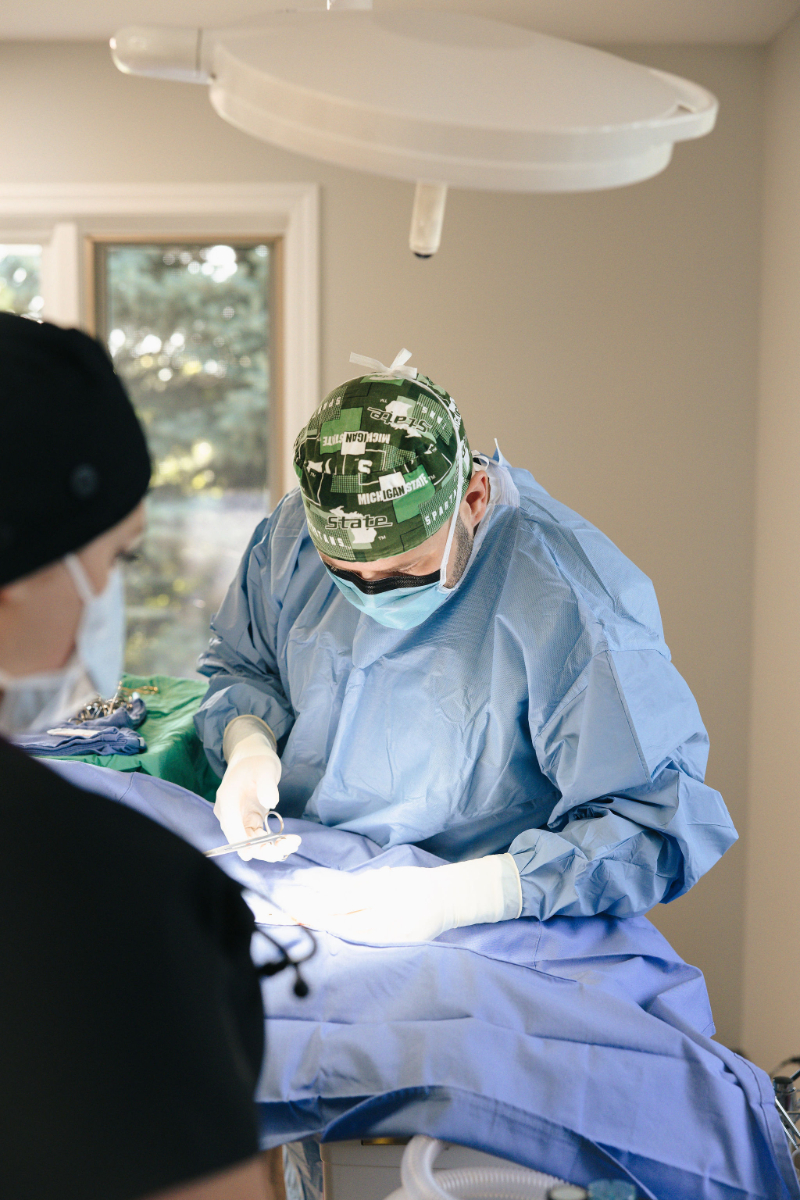
Emergency Stabilization for Pets in Traverse City, MI
When your furry friend faces a sudden health crisis, immediate care is critical. At Omnivet in Traverse City, MI, we provide swift and effective emergency stabilization to help pets recover safely from trauma, sudden illness, or life-threatening injury. When every second counts, our team is ready.
Why Trust Omnivet for Emergency Veterinary Stabilization?
Pet emergencies are frightening — but you don’t have to face them alone. Our experienced veterinary team in Traverse City, MI is equipped and ready to act fast with the right tools, training, and protocols to stabilize your pet in their most critical moments. From severe traumatic injuries and sudden collapse to respiratory distress and toxin ingestion, we focus on rapid assessment and immediate intervention to prevent complications and improve outcomes.
Emergency stabilization is the critical first phase of care — the goal is to address life-threatening conditions as quickly as possible and bring your pet to a safe, stable state before further diagnostics or treatment can begin. This may involve establishing an airway, controlling bleeding, administering IV fluids, managing pain, treating shock, or providing oxygen support. Our team is trained to make fast, informed decisions under pressure, and we have the equipment on-site to respond effectively.
We understand the fear and uncertainty that comes with a pet emergency. That’s why we prioritize clear, compassionate communication throughout the process — keeping you informed about your pet’s condition, what we’re doing, and why. If your pet requires a level of care beyond what we provide, we coordinate seamlessly with specialty referral clinics to ensure continuous, expert support without any gaps in care.
Common emergencies that require immediate stabilization include trauma, toxin ingestion, urinary obstructions, severe wounds or injuries, and sudden deterioration from an underlying illness. If you are unsure whether your pet’s situation requires emergency care, please call Omnivet immediately at (231) 244-4860 — we would always rather you call than wait. You can also learn more about our full range of emergency care services or explore our emergency surgery capabilities.
Frequently Asked Questions About Pet Emergency Stabilization
What signs indicate my pet needs emergency stabilization?
Signs that your pet requires immediate emergency care include difficulty breathing or labored respiration, severe or uncontrolled bleeding, loss of consciousness or sudden collapse, seizures, suspected toxin ingestion, pale or blue-tinged gums, extreme pain or inability to stand, and signs of shock such as rapid heart rate, weakness, or a glassy-eyed appearance. If your pet is showing any of these symptoms, call Omnivet at (231) 244-4860 immediately and bring them in as quickly as possible.
How quickly should I bring my pet to Omnivet after an accident?
As soon as possible — ideally within minutes of noticing a serious emergency. Early intervention significantly improves the chances of a full recovery and reduces the risk of complications. Even if your pet seems to be managing, injuries or internal trauma can worsen rapidly. Please call ahead at (231) 244-4860 while on your way so our team can prepare for your arrival and begin care the moment you walk through the door.
What does emergency stabilization involve?
Emergency stabilization focuses on addressing the most immediate, life-threatening aspects of your pet’s condition as rapidly as possible. Depending on the situation, this may include securing an airway, administering oxygen, controlling bleeding, placing an IV catheter for fluids or medications, managing pain, treating shock, or monitoring and supporting vital signs. Once your pet is stable, we move on to further diagnostics and treatment planning. Our team at Omnivet will walk you through exactly what was done and what comes next.
Will you keep me updated during emergency treatment?
Absolutely. We understand how distressing it is to wait while your pet is being treated, and we are committed to keeping you as informed as possible throughout the process. Our team will communicate clearly about your pet’s condition, the treatments being administered, and any decisions that need to be made. If a procedure requires your consent, we will always explain the situation fully before proceeding so you can make informed decisions for your companion.
What happens after emergency stabilization?
Once your pet is stable, our team will conduct a more thorough assessment to determine the underlying cause and extent of the issue. Depending on the findings, next steps may include additional diagnostics such as bloodwork or X-rays, a medical workup, continued monitoring and supportive care, or referral to a specialist if advanced intervention is needed. We will discuss all options with you in detail and work together to determine the best path forward for your pet’s recovery.
Can emergency stabilization save my pet’s life?
In many cases, yes — prompt emergency stabilization is often the difference between life and death for pets experiencing critical conditions. The faster your pet receives stabilizing care, the better their chances of surviving and recovering. Our team at Omnivet is trained and equipped for exactly these high-stakes moments, and we will do everything in our power to give your pet the best possible outcome. Time is the most critical factor, which is why we always urge pet owners not to wait when they suspect a serious emergency.
Do I need an appointment for emergency stabilization?
No — if your pet is in a critical situation, do not wait for a scheduled appointment. Come in immediately or call (231) 244-4860 on your way. Our team will prioritize your pet based on the severity of their condition. For urgent but less critical situations, we also offer urgent care appointments and walk-in appointments to ensure your pet is seen promptly without needing to book in advance.