
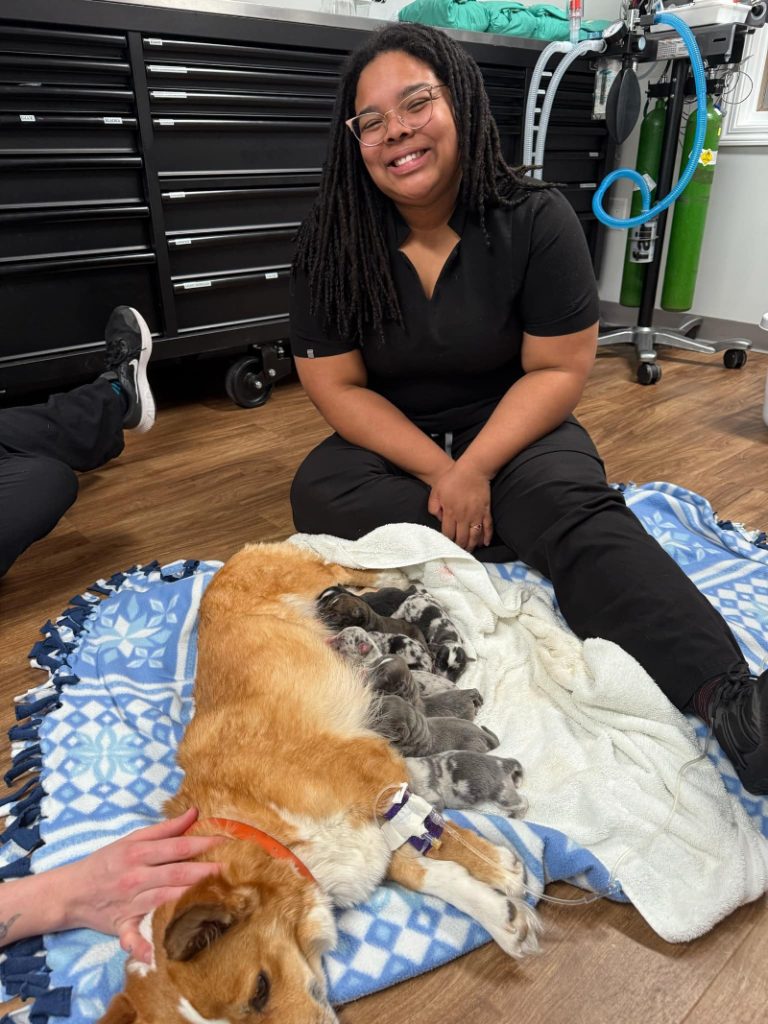
Expert Cesarean Section Care for Pets in Traverse City, MI
At Omnivet in Traverse City, MI, we understand that sometimes a cesarean section is the safest — and most critical — way to bring new life into the world. Whether your dog or cat is experiencing labor complications or needs assistance delivering, our skilled veterinary team is here to support you and your entire furry family every step of the way.
What to Expect from a Cesarean Section at Omnivet
A cesarean section — commonly referred to as a C-section — is a surgical procedure used to deliver puppies or kittens when natural birth poses risks to the mother, the offspring, or both. At Omnivet, our veterinarians carefully evaluate each pregnancy and labor situation to determine whether a C-section is the safest course of action, taking into account the mother’s health, litter size, fetal positioning, and the progression of labor.
Our experienced surgical team uses advanced monitoring equipment and proven techniques to minimize stress and reduce the risk of complications during the procedure. Both the mother and newborns are closely monitored throughout, and our team works quickly and efficiently to ensure the best possible outcome for every member of the litter.
Following the procedure, we provide attentive post-operative care including pain management, recovery support, and detailed guidance on caring for newborns in the critical hours and days after a cesarean delivery. Newborns delivered by C-section may need additional assistance with nursing and warmth, and our team will prepare you with everything you need to know before you leave.
If your pet shows signs of labor difficulties, don’t wait — early intervention can be lifesaving. Signs that warrant immediate veterinary attention include continuous contractions without delivery, excessive bleeding, visible distress, or prolonged time between births. Contact Omnivet right away at (231) 244-4860 or learn more about our emergency care and emergency stabilization services. For surgical needs beyond C-sections, visit our emergency surgery page.
Frequently Asked Questions About Pet Cesarean Sections
What are common reasons for a cesarean section in pets?
Cesarean sections are most commonly performed when a pet experiences prolonged or stalled labor, has a litter that is too large for natural delivery, or when one or more offspring are positioned in a way that makes vaginal birth impossible or dangerous. Fetal distress, uterine inertia — where contractions stop or become ineffective — and anatomical abnormalities in the birth canal are also frequent reasons. Certain breeds with large heads relative to the mother’s pelvis, such as bulldogs and Persian cats, are more predisposed to requiring a C-section.
Is a cesarean section safe for my pet?
When performed by an experienced veterinary team like those at Omnivet, cesarean sections are generally safe and can be lifesaving for both the mother and her offspring. As with any surgical procedure involving anesthesia, there are inherent risks — but our team takes every precaution to minimize them through thorough pre-surgical assessment, advanced monitoring, and careful anesthetic protocols. Acting quickly when labor complications arise greatly improves outcomes for both mother and newborns.
How long does recovery take after a C-section?
Most pets recover well within 10 to 14 days following a cesarean section. During this time, it’s important to keep the incision site clean and dry, restrict your pet’s activity, and monitor for any signs of infection or complications. Our team at Omnivet will provide you with detailed post-operative care instructions and is available to answer any questions that arise during the recovery period. A follow-up visit may be recommended to check the incision and confirm healing is progressing well.
Can my pet have another C-section in the future?
In many cases, yes — but it depends on the individual animal, the reason the original C-section was performed, and their overall reproductive health. If the need for a C-section was due to an anatomical issue, future pregnancies may also require surgical delivery. Our veterinarians at Omnivet will review your pet’s health history and discuss the safest options for any future pregnancies on a case-by-case basis.
When should I contact Omnivet about possible labor complications?
You should contact Omnivet immediately at (231) 244-4860 if your pet experiences continuous strong contractions for more than 30–60 minutes without producing offspring, more than 4 hours pass between births when more are expected, your pet shows signs of extreme pain or exhaustion, there is excessive bleeding or unusual discharge, or a puppy or kitten appears visibly stuck in the birth canal. These are all signs of a potential obstetric emergency requiring urgent veterinary attention. Our emergency care team is here when you need us.
How do I care for newborns delivered by C-section?
Newborns delivered by cesarean section may be slower to nurse initially, as both the mother and offspring can be groggy from anesthesia. It’s important to keep them warm, stimulate them gently, and encourage nursing as soon as the mother is alert enough. Our team at Omnivet will provide specific instructions based on your pet’s situation before you leave. If you have concerns about a newborn’s health or feeding in the days following delivery, don’t hesitate to call us at (231) 244-4860.
What breeds are most likely to need a cesarean section?
Brachycephalic breeds — those with flat faces and broad skulls — are among the most commonly affected. In dogs, this includes English Bulldogs, French Bulldogs, Boston Terriers, and Pugs. In cats, Persian and Exotic Shorthair breeds face a higher risk. Large or giant dog breeds carrying very large litters may also be at increased risk. If you have a breed known to be predisposed to difficult deliveries, speaking with our team at Omnivet before labor begins can help you plan ahead and respond quickly if intervention is needed.