
Expert Trauma Stabilization for Pets in Traverse City, MI
When your pet experiences trauma, every second counts. At Omnivet in Traverse City, MI, we provide immediate, compassionate care to stabilize your pet’s condition and lay the foundation for recovery. Whether it’s following an accident, a serious injury, or sudden physical collapse, our experienced team is ready to respond the moment you walk through our doors.
What to Expect from Trauma Stabilization at Omnivet
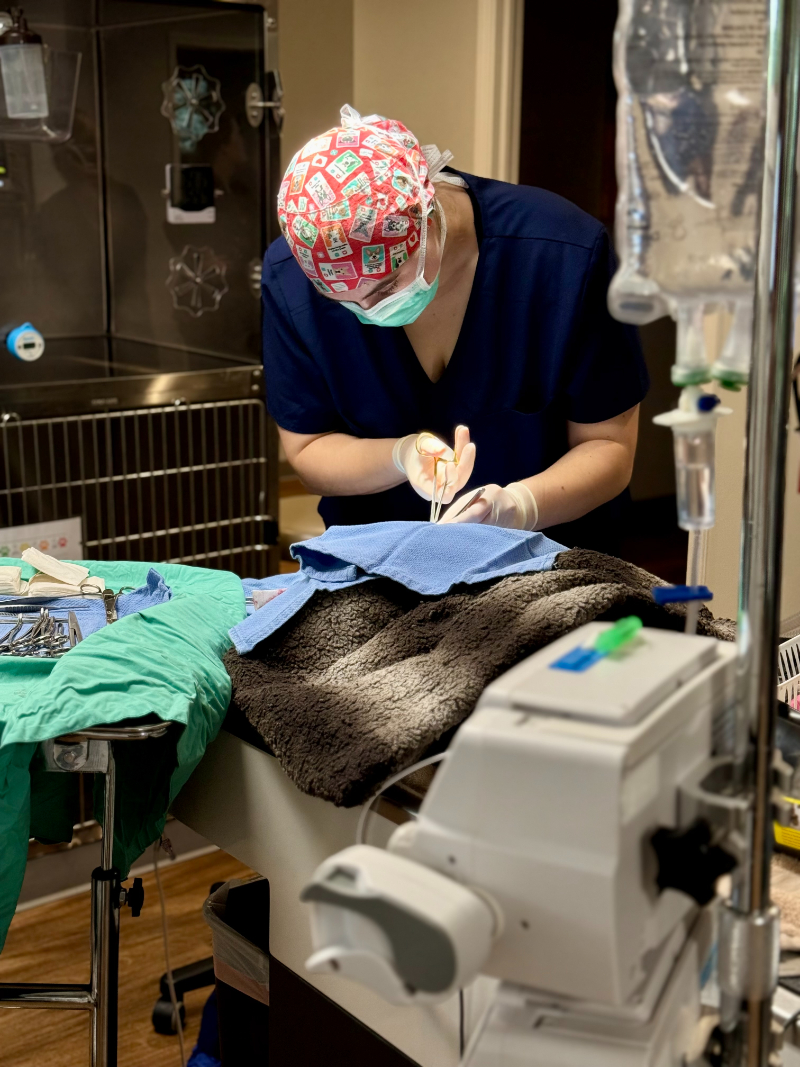
Trauma stabilization is the critical first phase of emergency veterinary care — the immediate priority is to preserve your pet’s life by addressing the most dangerous, time-sensitive aspects of their condition before anything else. At Omnivet, our team is trained to move quickly and decisively in trauma situations, performing rapid assessments of your pet’s airway, breathing, circulation, and neurological status the moment they arrive.
Depending on the nature and severity of the trauma, life-saving interventions may include oxygen therapy for respiratory distress, intravenous fluid support to address shock and blood pressure instability, hemorrhage control and wound management, splinting or support for suspected fractures, pain management to reduce suffering and prevent shock from worsening, and continuous monitoring of vital signs throughout the stabilization process. Every case is approached individually — there is no one-size-fits-all protocol in trauma care, and our team adjusts in real time based on your pet’s evolving condition.
Once your pet has been stabilized, we move on to further diagnostics to assess the full extent of their injuries. This may include X-rays to evaluate for fractures or internal injury, bloodwork to assess organ function and blood loss, or a comprehensive medical workup to guide the treatment plan. If your pet requires emergency surgery — such as for internal bleeding, organ damage, or severe wounds — our surgical team is equipped to proceed without delay. For wounds that don’t require surgery, our wounds and injuries page has additional information on what to expect.
Throughout the entire process, our team communicates clearly and compassionately with you — explaining what we are doing, why, and what the next steps look like. We understand that experiencing a pet emergency is one of the most stressful situations a pet owner can face, and keeping you informed and supported is an essential part of the care we provide. If your pet is showing signs of trauma right now, call Omnivet immediately at (231) 244-4860 or visit our emergency care page for more information.
Frequently Asked Questions About Pet Trauma Stabilization
What signs indicate my pet needs trauma stabilization?
Signs that your pet requires immediate trauma care include heavy or uncontrolled bleeding, difficulty breathing or labored respiration, loss of consciousness or inability to stand, signs of shock such as pale or white gums, rapid heart rate, and extreme weakness, suspected broken bones or visible deformities, severe wounds, or collapse following an accident such as being hit by a vehicle or falling from a height. If your pet is showing any of these signs, do not wait — call Omnivet at (231) 244-4860 immediately and bring them in as quickly as possible.
How long does trauma stabilization take?
The initial stabilization phase typically takes anywhere from several minutes to a few hours, depending on the severity of your pet’s injuries and how they respond to treatment. Our first priority is always to secure your pet’s vital functions — airway, breathing, and circulation — as rapidly as possible. Once they are stable, we move on to diagnostics and further treatment planning. Our team will keep you updated on timing and progress throughout, so you are never left without information.
Will my pet be in pain during trauma stabilization?
Pain management is an integral part of trauma care at Omnivet. Uncontrolled pain worsens shock and can have serious physiological consequences, so we prioritize appropriate analgesia from the moment your pet arrives. Depending on the situation, this may include injectable pain medications, sedation, or local anesthetic. Our goal is to keep your pet as comfortable as possible while simultaneously addressing the life-threatening aspects of their condition — these two priorities go hand in hand.
Do I need to prepare anything before bringing my pet in?
In a trauma situation, the most important thing is to get to Omnivet as quickly as safely possible. Call ahead at (231) 244-4860 while on your way so our team can prepare for your arrival. Keep your pet as calm and still as possible during transport — minimize unnecessary movement, particularly if you suspect a spinal or limb injury. If you have a blanket or towel, you can use it to support your pet. Bring any available medical records if they are immediately at hand, but do not delay your trip to gather them.
Can I stay with my pet during trauma stabilization?
We understand how distressing it is to be separated from your pet during an emergency, and our team will do everything possible to keep you informed and involved. In most active trauma situations, treatment areas need to remain clear for the medical team to work efficiently and safely, but we will provide you with regular updates and bring you in as soon as it is appropriate to do so. Our front team will make sure you are never left wondering what is happening with your companion.
What happens after my pet is stabilized?
Once your pet’s condition is stabilized and immediate life threats have been addressed, our team will conduct a more thorough assessment of their injuries using diagnostics such as X-rays and bloodwork. Depending on findings, next steps may include continued supportive care and monitoring, emergency surgery, wound management, or referral to a specialist. We will discuss all findings and options with you clearly before proceeding, so you can make informed decisions about your pet’s ongoing care.
What should I do if my pet is injured and I cannot reach Omnivet?
If you are unable to reach Omnivet at (231) 244-4860, proceed to the nearest available emergency veterinary facility without delay. Time is the most critical factor in trauma care, and any trained veterinary team is better than waiting. Keep your pet as still and calm as possible during transport, apply gentle pressure to any actively bleeding wounds with a clean cloth, and avoid giving food, water, or any medications unless instructed by a veterinarian. Our emergency care page has additional resources that may be helpful in these situations.