
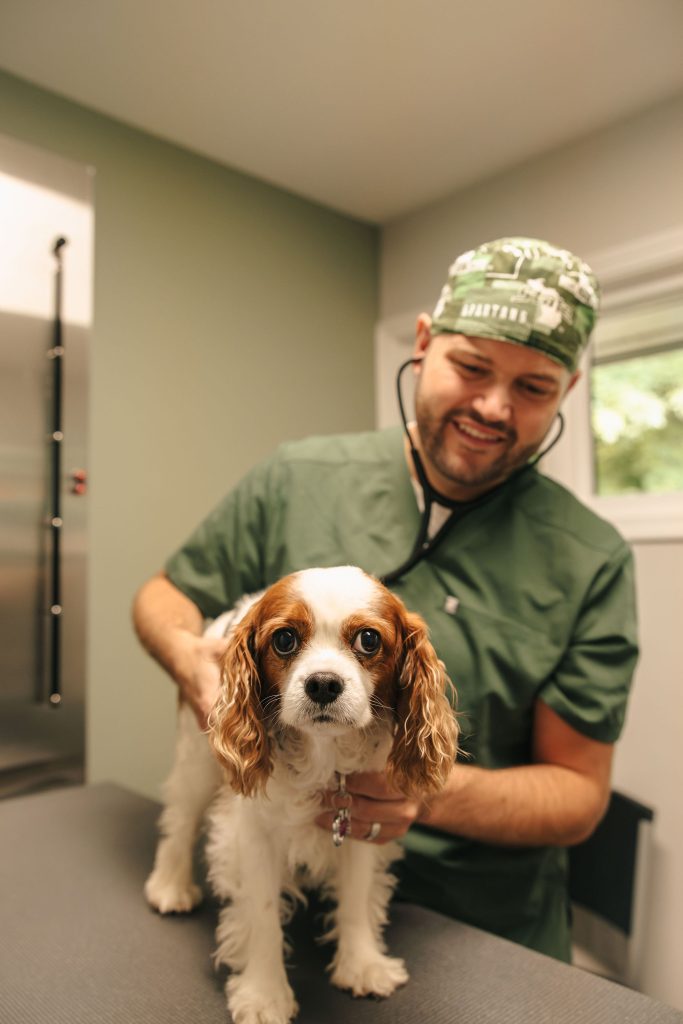
Expert Wound & Injury Care for Pets in Traverse City, MI
At Omnivet in Traverse City, MI, we understand how distressing it can be when your pet suffers a wound or injury. Whether it’s a cut, bite wound, scrape, puncture, or more serious trauma, our experienced veterinary team is here to provide fast, compassionate care and get your pet back to feeling their best as quickly as possible.
Why Trust Omnivet for Your Pet’s Wound and Injury Treatment?
When your pet is injured, quick and proper treatment makes a significant difference in how well and how quickly they heal. At Omnivet, we combine gentle, stress-aware handling with advanced veterinary techniques to assess and treat wounds and injuries effectively. Our team evaluates the severity of every injury carefully — because what appears to be a minor surface wound can sometimes be deeper, more contaminated, or located in a more sensitive area than it initially appears.
Our wound care process begins with a thorough assessment of the injury, followed by cleaning and irrigation to remove debris and bacteria, debridement of any damaged tissue when needed, and appropriate wound closure — whether through sutures, staples, tissue glue, or bandaging depending on the wound type and location. Pain management is always integrated into our care plan from the start, and we prescribe antibiotics when there is a significant risk of infection or when infection has already developed.
Bite wounds deserve special mention — they are among the most deceptive injuries in pets. The puncture marks on the surface may look minor, but bite wounds cause significant trauma beneath the skin and introduce bacteria deep into the tissue, making infection and abscess formation very common if not treated promptly and correctly. If your pet has been bitten by another animal, veterinary evaluation at Omnivet is always recommended, even if the wound appears small.
For more serious trauma — such as injuries sustained in vehicular accidents, falls from height, or animal attacks — our trauma stabilization and emergency stabilization teams are equipped to respond to critical cases immediately. Emergency surgery may be required in severe cases involving deep tissue damage or internal injury. For less extensive wounds, our minor lacerations page covers what to expect for smaller cuts and scrapes. Our urgent care appointments and walk-in appointments are available for wounds that need same-day attention — call Omnivet at (231) 244-4860 any time.
Frequently Asked Questions About Pet Wounds & Injuries
What should I do immediately if my pet gets a wound?
Keep your pet as calm as possible and prevent them from licking, chewing, or scratching the wound — use an e-collar if you have one available. If the wound is actively bleeding, apply gentle, steady pressure with a clean cloth or gauze and maintain pressure for several minutes without lifting to check. Do not probe or flush the wound at home, and do not apply hydrogen peroxide, alcohol, or iodine directly to the tissue, as these can damage cells and delay healing. Call Omnivet at (231) 244-4860 right away for guidance, and bring your pet in for evaluation as soon as possible.
How do you treat infected wounds in pets?
Infected wounds at Omnivet are treated by thoroughly cleaning and flushing the wound to remove infected tissue and bacteria, followed by appropriate antibiotic therapy — either oral, topical, or both depending on the severity and depth of infection. In some cases, infected wounds need to be surgically opened and drained, particularly if an abscess has formed beneath the skin. More serious infections may require hospitalization and IV antibiotics. Our team will assess the extent of infection and recommend the most effective treatment to resolve it as efficiently as possible.
Can small cuts or scrapes heal on their own?
Very minor, superficial scrapes with no signs of contamination may heal without veterinary intervention — but it is always wise to have them examined rather than assuming they are uncomplicated. Many wounds that look minor on the surface are deeper, more contaminated, or located in areas prone to movement or infection than they initially appear. Having our team at Omnivet evaluate the wound ensures it is properly cleaned, that healing is progressing correctly, and that there are no complications developing beneath the surface.
When should I bring my pet in for a wound?
Seek veterinary care promptly if the wound is deep, gaping, or will not stop bleeding; if it has visible debris, dirt, or foreign material inside; if it was caused by a bite from another animal; if it is located near the eye, face, joint, or abdomen; or if your pet is showing signs of pain, swelling, warmth, discharge, or reduced appetite. Even wounds that seem to be healing can become infected or develop complications — when in doubt, call Omnivet at (231) 244-4860 and our team will help you assess whether a visit is needed.
Will my pet need stitches or surgery for their wound?
Whether stitches or surgery are needed depends on the size, depth, location, and age of the wound. Wounds with clean, well-approximated edges that are treated within the first several hours are typically good candidates for primary closure with sutures or staples. Older, contaminated, or infected wounds may need to be managed as open wounds initially — cleaned and bandaged regularly — until the infection is controlled and healing tissue has developed. Our team at Omnivet evaluates every wound individually and will recommend the most appropriate treatment approach for your pet’s specific injury.
How do I care for my pet’s wound at home after treatment?
Following your pet’s wound treatment at Omnivet, our team will provide detailed at-home care instructions tailored to the type and location of the injury. In general, this includes keeping the wound clean and dry, preventing your pet from licking or interfering with the wound using an e-collar, administering any prescribed medications as directed, and monitoring for signs of infection such as increasing redness, swelling, discharge, or odor. Bandage changes may be required at regular intervals. Never hesitate to call Omnivet at (231) 244-4860 if you have questions or concerns during recovery.
Are bite wounds from other animals dangerous even if they look small?
Yes — bite wounds are among the most deceptive injuries in veterinary medicine. The small puncture marks visible on the surface do not reflect the extent of damage and contamination beneath the skin. Animal bites inject bacteria deep into tissue, cause significant crushing and tearing injury that isn’t always visible, and can create pockets of dead space beneath the skin where infection and abscess formation develop rapidly. All bite wounds should be evaluated at Omnivet regardless of how minor they appear on the surface. Prompt cleaning, wound management, and antibiotic therapy are almost always indicated.